I still keep in mind the first time I enjoyed somebody freeze in an emergency.
We remained in a workplace cooking area, an associate started choking on a piece of apple, and 3 adults just looked at each various other for a few seconds that felt far too long. No one was uncaring. They were horrified of doing the incorrect thing.
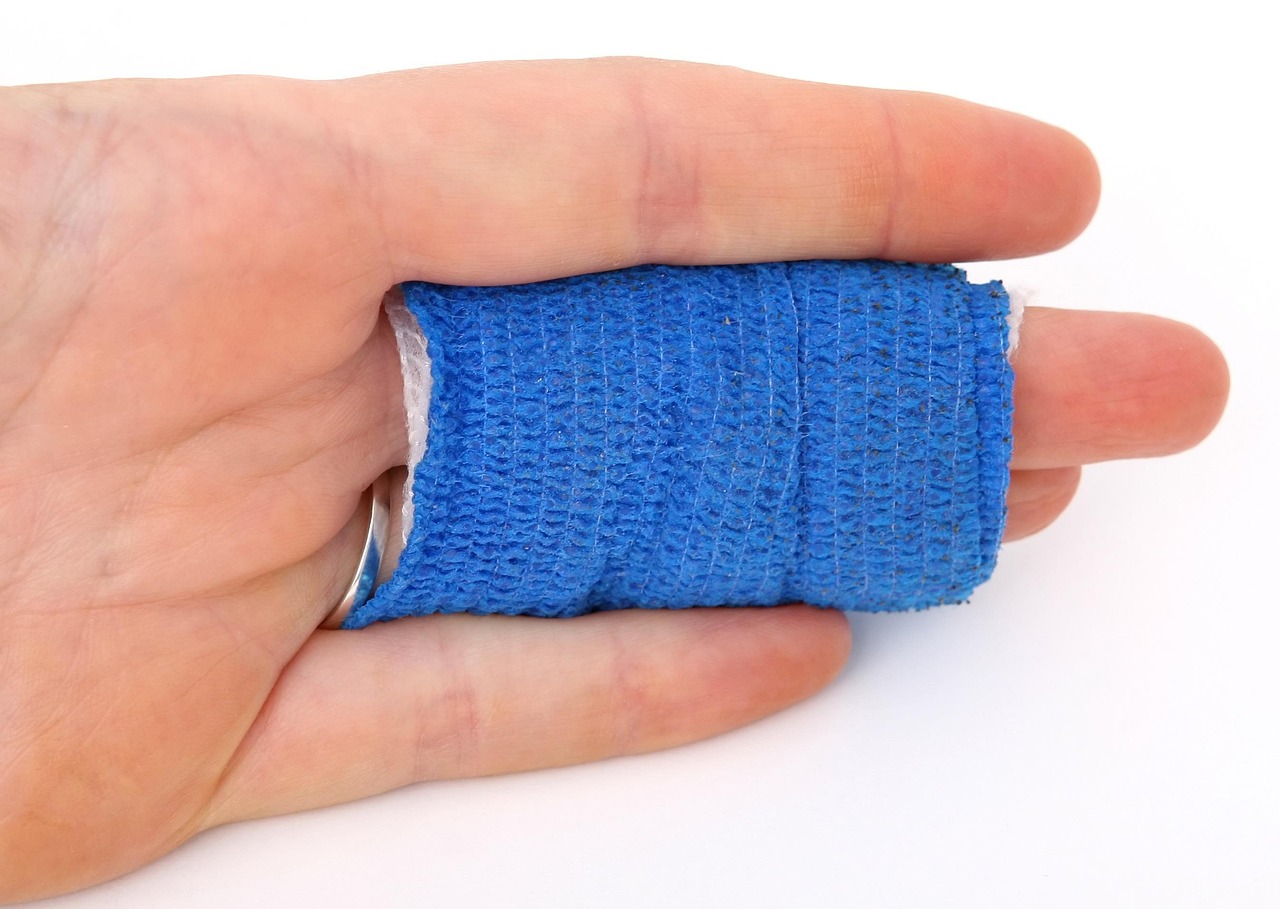
Fortunately, one person had actually done a recent first aid and CPR course and stepped in rapidly. A couple of firm back impacts, the respiratory tract cleared, and the event ended with shaky laughter as opposed to a 000 phone call. What stayed with me was not just exactly how efficient the treatment was, however how regular the rescuer was: not a paramedic, not a nurse, simply somebody who had actually taken fast first aid training seriously.
That is the real promise of fast first aid courses and express CPR training. They do not turn you into a medical professional. They move you from panic to prepared in the minutes that matter.
Why "fast" first aid is not a shortcut
When people hear "fast first aid course" or "express first aid training", they typically picture something thinned down. A tick-the-box session where you watch a video clip, sign a kind, and win a first aid certificate you will hardly remember.
The reality, in well created programs, is really different.
Fast first aid and CPR courses have to do with effectiveness, not collar reducing. They focus on the small number of activities that make a disproportionate distinction in the very first couple of mins of an emergency, and they compress the non-essential information. Rather than long theory lectures, you get targeted circumstances, muscle memory technique, and decision making drills.
In my experience both as an instructor and as a person that has actually made use of these skills in genuine occurrences, a good fast first aid course prioritises three points:
- Rapid acknowledgment of what is incorrect: cardiac arrest, choking, serious bleeding, anaphylaxis, low awareness, warm illness. Simple, repeatable feedbacks: how to start CPR, exactly how to make use of an AED, exactly how to quit bleeding, how to position a person that is less competent yet breathing. Confidence under tension: damaging that doubt where individuals worry much more concerning slipping up than about doing something helpful.
Where much longer first aid courses and advanced programs go deeper right into pathophysiology and wide variety scenarios, express first aid courses concentrate on the traditional emergencies that eliminate swiftly if no one acts. That is precisely what many offices, moms and dads, teachers and sports trains need.
The initially 3 mins: why rate matters
Most individuals ignore just how promptly a circumstance can wear away. They picture that if something significant occurs, an ambulance will show up in time to take care of it.
Response times vary by area, yet also in city areas, you are commonly taking a look at 8 to 12 minutes before a staff reaches you, sometimes much longer. In heart attack, each minute without CPR and defibrillation can decrease survival opportunities by roughly 7 to 10 percent. By the time the professionals get here, the end result is heavily affected by what occurred in those very first few minutes.
The exact same pattern shows up across other emergency situations:
Cardiac apprehension: Breast compressions and early defibrillation hold the line until paramedics arrive. Top quality bystander CPR can increase or triple survival chances.
Choking: A totally blocked respiratory tract is determined in seconds and really couple of mins, not in quarter hours. Waiting for an ambulance without attempting back strikes first aid courses in Joondalup or stomach drives is essentially choosing not to act.
Severe bleeding: Unchecked outside bleeding can cause shock in mins, especially in kids and smaller grownups. Easy pressure and elevation can keep somebody alive long enough to get to hospital.
Anaphylaxis: An EpiPen or various other adrenaline automobile injector made use of at the first indicators of a significant allergy is frequently the distinction in between a frightening episode and a fatal one.
Fast first aid training and express CPR courses concentrate non-stop on this early window. They do not guarantee to change paramedics. They exist to develop a bridge in between the minute an incident takes place and the minute trained clinicians can take over.
Why short, focused courses benefit hectic people
Over the years, I have satisfied lots of individuals that wanted first aid and CPR training but maintained placing it off. Their factors were foreseeable: no time at all, way too much content, fear it would all be forgotten. When fast first aid courses and express CPR courses ended up being more typical, that barrier dropped.
There are a number of advantages to brief, well organized programs.
First, they in fact obtain done. A 4 hour express first aid course on a weekday evening or Saturday morning is realistic for many adults with work, households, or shift work. A full two day first aid and CPR course typically is not, unless the company mandates it and gives paid time off.
Second, individuals maintain what they use. When training shifts from long talks to short, practical drills, individuals are much more most likely to remember the core activities. I have actually seen individuals months after an express cpr course still able to chat via the steps smoothly and with unusual detail.
Third, fast certification refresher courses remove the guilt barrier. When your first aid certificate is about to run out, it is less complicated to sign up for a fast CPR correspondence course than to duplicate a long, comprehensive program. Numerous organisations currently make use of short annual first aid and CPR training classes, with periodic longer updates every couple of years.
There is additionally a psychological advantage. Recognizing that the commitment is minimal makes individuals much more going to involve totally and ask inquiries. They are less most likely to emotionally wander, which enhances finding out even in a compressed format.
What a strong fast first aid course should include
Not all fast first aid courses are equal. Some are merely reduce variations of larger programs, where content is removed without redesign. Others are built from the ground up with clear top priorities and clever use time.
When you seek a fast first aid course near me or look for express first aid training choices, check for these core components:
- Practical CPR training on grown-up manikins, and ideally child and infant versions. Use of an AED, consisting of pad positioning, transforming it on, and adhering to prompts. Primary survey skills: checking for threat, responsiveness, airways, breathing and circulation. Management of choking in grownups and children. Basic bleeding control, including direct pressure and straightforward dressings.
Some service providers likewise consist of short components on burns, fractures, seizures, asthma and anaphylaxis. Those are valuable, yet they need to not crowd out the principles above. I would rather see someone absolutely positive in basic CPR and choking monitoring than slightly knowledgeable about twenty various conditions.
For parents or educators, express child care first aid courses include another layer: youngster specific scenarios, infant CPR, allergic emergency situations in child care settings, and head injuries from common falls. In early years settings where children check out energetically and frequently unexpectedly, that targeted material addresses extremely real risks.
The role of combined and express formats
In the last decade, mixed discovering has actually changed first aid training. Instead of spending a complete day in a classroom, individuals complete theory modules online, after that participate in a much shorter face to face session focused on method. This method fits fast first aid courses especially well.
Here is why mixed or express first aid courses usually surpass purely conventional formats.
The online content can be taken another look at. Individuals complete the theory components at their very own rate, rewind challenging sections, and even review them once more after the course coatings. This assists with long term retention.
The in person time is invested in doing, not sitting. When participants currently recognize fundamental ideas from the digital material, the face to face element can concentrate on skills: compressions, rescue breaths, AED practice, healing setting, bandaging, EpiPen use, function plays.
The schedule comes to be flexible. Service providers can supply evening express CPR courses or short, concentrated first aid and CPR training classes that fit around hectic days. It additionally makes express child care first aid training a lot more easily accessible to teachers who can not conveniently leave their classrooms for complete days.
A fine example is the fast CPR version now usual in several organisations. Staff complete a brief online CPR concept module, typically 30 to 60 minutes, after that go to a 60 to 90 minute sensible session where they demonstrate skills and get training. The result is a fast certification that still highlights quality.
When "fast" is insufficient on its own
Fast first aid and express CPR make good sense in numerous contexts, yet they are not the entire story.
Certain duties really require deeper first aid training and broader circumstance insurance coverage. Remote location employees, outdoor leaders, sports trainers managing contact injuries, and high danger sectors usually require extended first aid courses or wilderness-oriented programs. These dive into longer term care, back safety measures without immediate ambulance access, hypothermia and hyperthermia in actual area problems, and improvisation when basic products are scarce.
There is also a difference between initial knowing and ability proficiency. A single express cpr course will absolutely boost your capability to respond. Nonetheless, the finer points of compression depth, recoil, rate and minimal disturbance take repetition to install. This is why regular fast cpr correspondence course are so useful. Short, concentrated refresher courses compound over time, obtaining you closer to the efficiency degrees that studies connect with much better survival outcomes.
In some organisations, a layered design works ideal. A broad group of staff complete a fast first aid course to cover the essentials, while a smaller team handles more advanced training and functions as assigned very first aiders. That mix respects budget plan, time and threat monitoring at the exact same time.
The psychological side of first aid
Technical skills are only half the tale. I have actually watched capable individuals fail not due to the fact that they did not know what to do, however due to the fact that they were afraid of the emotional weight.
Fast first aid training that overlooks the mental facet does its trainees an injustice. On the other hand, the strongest first aid and CPR courses weave in frame of mind, interaction and self management.

Several styles show up repeatedly in genuine emergencies.
Doing something is generally better than doing nothing. Public fear regarding lawful responsibility or "making it worse" maintains several bystanders back. In the majority of jurisdictions, do-gooder securities and fundamental sound judgment make it very not likely that a practical effort to assist will result in problem. Fast first aid courses that review this honestly totally free individuals to act.
Calm is infectious. You do not require to feel tranquil to seem and act calmness. Basic strategies like talking gradually, assigning tasks ("You, call 000", "You, get the first aid kit"), and utilizing the casualty's name makes a large distinction to everybody at the scene.
Aftercare issues. Also when points work out, reacting to a significant event can leave you shaken. Excellent training clearly encourages debriefing, remainder, and, when needed, professional support. Companies should anticipate to sustain personnel who have just done CPR on a coworker or managed a distressing injury.
Fast courses have actually restricted time, but they can still normalise these facts. A couple of minutes invested discussing genuine sensations, not simply book procedures, can be the distinction in between concept that breaks down under stress and abilities that stand up when a youngster is turning blue or a carbon monoxide employee has collapsed.

Choosing the best provider and course
With the development of fast first aid courses and express CPR training, the range of service providers has blown up. When you search for a fast first aid course near me you will see whatever from long well established training organisations to little exclusive clothing that rent out a room in a community center when a month.
A couple of functional checks aid different strong alternatives from weak ones.
Look for country wide acknowledged or accredited training. In several countries, first aid and CPR certificates are standardised under a national framework. See to it your first aid course or express cpr first aid course in Perth course causes an acknowledged first aid certificate, particularly if you need it for job, childcare, education or professional registration.
Check the trainer's history. An excellent facilitator does not have to be a paramedic, however genuine professional or frontline experience aids. Trainers that can claim, "In one incident I attended, this is how it played out," often tend to supply even more grounded, reasonable sessions.
Ask how much hands on technique is consisted of. A fast first aid course developed mainly around slides and videos will certainly not offer you well. You ought to be touching manikins, exercising healing placements, managing training car injectors and bandages.
Review the equilibrium of online and personally content. Combined is fine, but if the in person component is very short, you take the chance of walking away with even more theory than useful skill. For CPR training especially, you desire sufficient time to continuously practice compressions with feedback.
For child care workers, validate that the course is customized. Express childcare first aid courses need to deal with youngster and infant certain issues, not just rebrand a generic grown-up course.
What to do after your fast first aid course
One of the most typical regrets individuals show to me after an occurrence is, "I did the training, but I had actually not considered how it would certainly work below." They passed their first aid and CPR course, after that submitted the certificate away and never ever linked the dots to their actual environment.
The days quickly after your fast first aid course are the excellent time to anchor what you learned.
A straightforward post training checklist can maintain your skills alive:
- Walk through your home, workplace, sports club or child care setting and determine first aid kits, AED places and most likely hazards. Share key points with somebody else, also for ten mins. Teaching, or a minimum of clarifying, enhances your very own memory. Program neighborhood emergency situation numbers and essential get in touches with right into your phone if they are not currently there. Schedule your next fast cpr correspondence course or first aid refresher into your calendar so it does not approach on you. If you remain in a leadership role, integrate easy first aid drills right into team meetings or safety and security briefings a couple of times a year.
Some individuals additionally like to maintain a short summary card in their purse or phone, listing CPR steps, choking procedure, and anaphylaxis monitoring. It is not a substitute for training, yet it sustains recall under stress.
The peaceful value of average preparedness
First help is not glamorous. There is no social media sites badge for having actually finished fast first aid courses or express first aid training. Yet in situation moments, common people with basic skills often identify whether a person lives long enough for advanced care.
I have seen moms and dads smoothly begin compressions by themselves teen while awaiting a rescue. I have actually enjoyed an instructor in a childcare center utilize an EpiPen on a child entering into anaphylactic shock with a composure that would thrill any medical professional. I have actually seen onlookers at a park arrange themselves around a heart attack before paramedics showed up, just due to the fact that among them had actually done a recent fast CPR course and kept in mind the vital steps.
In every situation, the individuals involved explained themselves before the occurrence as "not medical", "not truly certain", or "just a mother/ simply an instructor". What altered their behavior in the moment was not a deep dive into anatomy, but the memory of one clear, concise first aid and CPR course that had actually pierced the essentials.
That is what fast first aid offers: not perfection, but enough. Enough knowledge to recognise difficulty early. Enough method to move your hands also while your heart is racing. Sufficient self-confidence to override the urge to stand back and wait on a person "more qualified".
Emergencies do not make visits. They get here in kitchens, play areas, workplaces, health clubs, and parking lot, sometimes that overlook your routine and your comfort degree. When that occurs, you do not rise to the degree of your ideal intents. You are up to the degree of your training.
A couple of hours invested in a well run fast first aid course or express CPR course is a modest financial investment for that type of safety net. For your colleagues, your household, your community, and, quite possibly someday, for you.